Understanding the problem before we flush
Most of us think of wet wipes as a softer version of toilet paper. They feel similar, are used in the bathroom, and many are even marketed as flushable or biodegradable. But scientifically, they are very different products.
The first step towards changing a behaviour is understanding the material itself.
More than just paper
Unlike toilet paper, which is designed to break apart quickly in water, wet wipes are manufactured to stay strong while wet. This strength comes from the fibres they contain.
Many wipes are made from a blend of cellulose fibres (derived from wood pulp) and synthetic plastic fibres such as polypropylene or polyester. Others use regenerated cellulose fibres like viscose or lyocell. Although these originate from plants, they are heavily processed to improve their performance.
The result is a product that remains intact during use, and continues to stay intact long after it has been flushed.
What does "biodegradable" actually mean?
One of the most confusing words on wet wipe packaging is biodegradable. Scientifically, the term simply means that a material can be broken down by microorganisms into natural substances such as water, carbon dioxide and biomass.
However, it does not mean that this happens quickly, nor that it happens in every environment.
A wipe may biodegrade under controlled industrial composting conditions, yet remain almost unchanged for months - or even years- in a sewer, a river or the marine environment. The conditions required for biodegradation are very different from those found in the sea
This is why a product labelled as biodegradable should never be assumed to be safe to flush.
Small material, big consequences
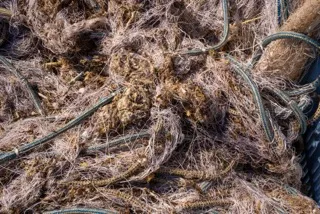
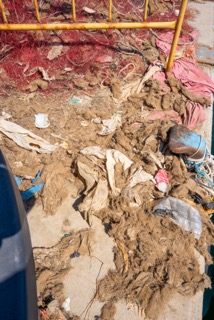
When wet wipes enter the sewage system, they can combine with fats and other waste to form large blockages in pipes and pumps. Those that escape wastewater treatment can reach rivers and eventually the sea, where they may persist, fragment into smaller fibres and contribute to marine litter.
Understanding what a wet wipe is made of helps explain why a simple everyday action can have consequences far beyond the bathroom.
Through the Wipes Out initiative, we support the idea that better decisions start with better knowledge. By connecting material science with everyday habits, we aim to replace assumptions with understanding and turn one simple message into an informed choice.