Fading Blue
Restoring a traditional vessel to explore the decline of blue fish species and artisanal fishing
Leading Organisation
Albirem, a research and engagement organization specializing in marine ecology and sustainable coastal development
Duration
6 months, Phase 3 Accelerator
Location
Catalan Mediterranean Sea in northeastern Spain, encompassing approximately 580 km of coastline from Cap Falcó to the mouth of the Sénia River. The project engages 12 coastal counties and 70 municipalities, featuring numerous fishing ports, including Arenys de Mar, and key ecosystems such as Cap de Creus and the Ebro Delta.
_______________________________________________
Project Overview
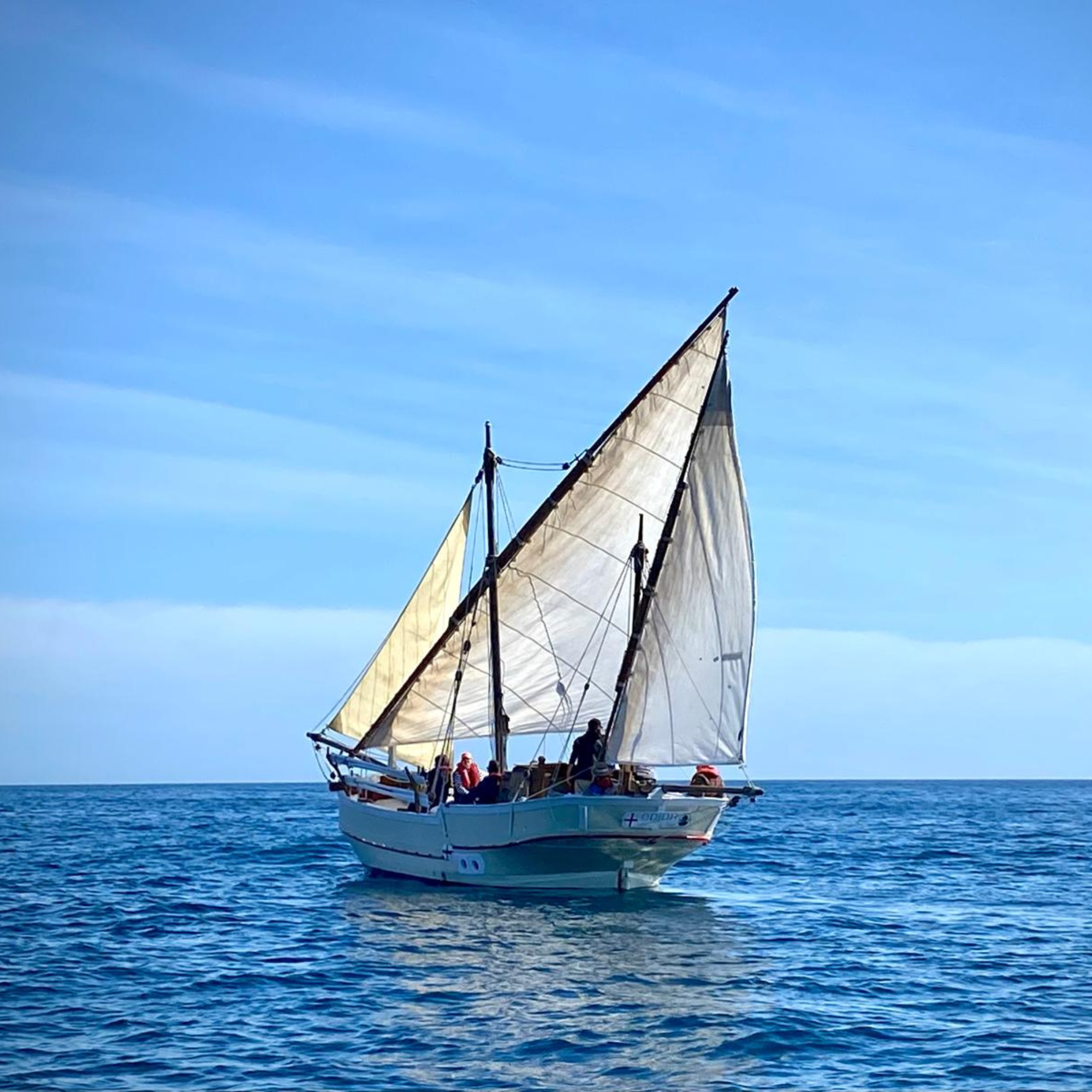
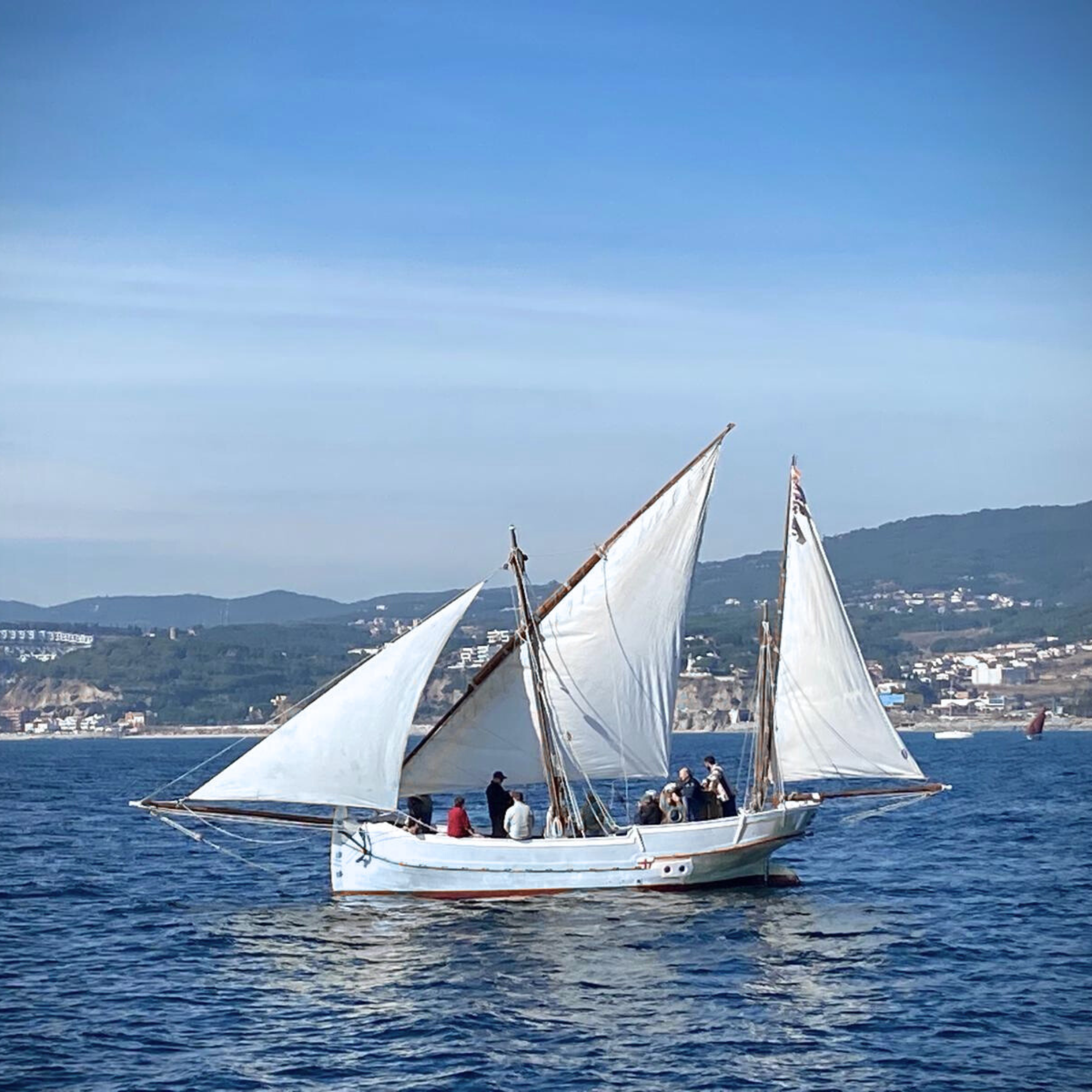
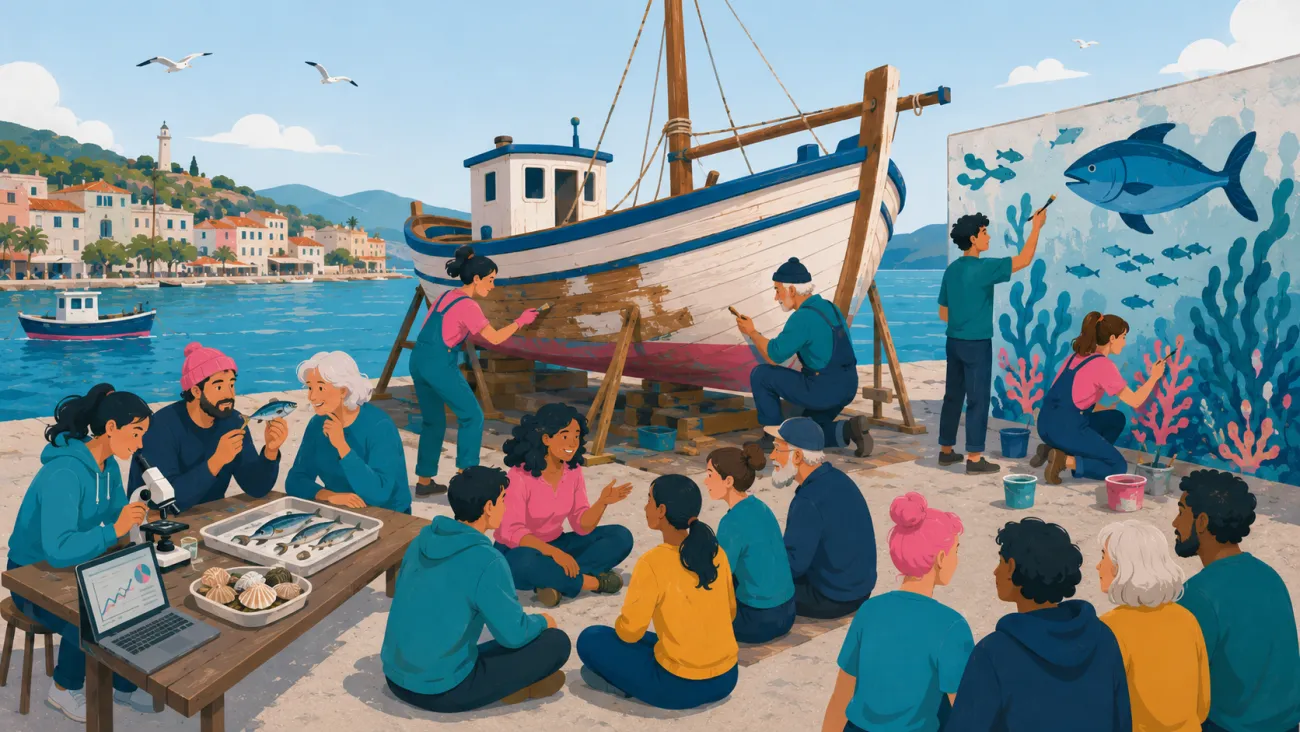
The Catalan Mediterranean faces a dual crisis: the environmental decline of blue fish species and the disappearance of artisanal fishing, traditional maritime vessels, and fishing communities that historically supported local economies and cultural identities. Fading Blue addresses this challenge by using the restoration of Odina, a traditional Mediterranean fishing vessel, as a narrative thread and living symbol to explore these interconnected transformations.
The project links ecological changes in the marine environment to community transformations by analyzing historical and current data from fishermen's guilds alongside participatory artistic activities. Through collaborative restoration work, community murals, intergenerational knowledge-sharing workshops, and a short documentary, Fading Blue engages citizens, fishers, students, and the public in dialogue about marine conservation, maritime heritage, and sustainable coastal economies.
Scientific Foundation
The project's research question asks: How have blue fish populations evolved in the Catalan Mediterranean, and how do these changes relate to environmental factors and artisanal fishery transformations? This question is grounded in analysis of historical and current catch data collected from coastal fishermen's guilds, combined with environmental data on water quality, temperature, and other ecological drivers.
Marine experts and scientists support the methodological design, data interpretation, and result validation to ensure rigorous scientific standards. The project generates new knowledge by combining empirical scientific data with fishers' traditional ecological knowledge, insights accumulated through generations of direct experience with the sea. This integration of quantitative scientific analysis with qualitative community knowledge creates a more complete understanding of how marine ecosystems and human communities are interconnected and how both have changed over time.
Art-Science Methodology
Fading Blue translates complex scientific data on blue fish decline and fisheries into accessible creative expressions that engage diverse audiences. The project unfolds through multiple interconnected artistic activities: the restoration of the Odina involves hands-on intergenerational collaboration, creating a tangible symbol of maritime heritage and ecological change. A collaborative public mural visualizes the project's findings and community voices. An artistic water performance, created in partnership with an inclusive swimming team of men and women alongside prominent LGBTQ+ representation, embodies the sensory and emotional dimensions of the human-sea relationship.
The centerpiece is a short documentary that weaves together scientific findings, historical archival footage, maritime landscapes, and testimony from fishers, students, and community members. Rather than simply presenting data, the documentary tells the story of how ecological changes are experienced and understood by those whose livelihoods and cultural identities are most directly affected. This approach transforms science into a collective experience that builds public environmental and cultural awareness.
Community Engagement & Social Impact
Citizens, fishers, students, and artists directly participate in both the creative process and environmental reflection. Approximately 150–170 people are involved directly: approximately 90–100 students, 15 elderly residents sharing historical memory, 15–20 guild and museum members, 15 inclusive swimmers, and 7 documentary crew members. Their roles range from participating in restoration workshops and contributing to the collaborative mural, to sharing testimony for the documentary and co-creating the final artistic water performance.
The project deliberately highlights underrepresented perspectives. It features the increasingly active role of women in the historically male-dominated artisanal fishing sector and includes prominent LGBTQ+ representation. Elderly residents are actively involved to preserve and share their maritime memory and lived experience of how the coast has changed. All participatory activities are free and open to the wider community, actively engaging those who typically have limited access to scientific or cultural initiatives. Engagement is maintained through hands-on activities, intergenerational workshops, public events, and ongoing communication via local networks and social media.
Ocean Literacy & Long-Term Impact
The project communicates findings on how climate-related factors, such as rising temperatures and acidification, impact marine ecosystems and native species. By making scientific knowledge accessible through participatory art, the project encourages deeper public understanding of the human-sea relationship and the crucial role of artisanal fishing in biodiversity conservation and coastal ecosystem sustainability.
- Short-term (6 months): Increased immediate awareness of blue fish decline and the value of artisanal fishing through the participatory mural, Odina restoration, and documentary release.
- Medium-term (1 year): Expansion of educational outreach from Escola Sinera to other coastal schools, utilizing workshops and screenings to highlight marine biodiversity, maritime heritage, and women's roles in the fishing sector.
- Long-term (5+ years): Strengthened cultural and environmental connection between coastal communities and the sea, supporting local dialogue on marine conservation and sustainable coastal economies. The documentary is submitted to prestigious environmental film festivals (such as SUNCINE, Ocean Film Festival Spain, Mostra de València) to secure awards, broad visibility, and new collaborative networks.
Expected Outputs
- Scientific: Comprehensive data analysis on the evolution of blue fish species and artisanal fisheries in the Catalan Mediterranean, documenting links between environmental factors and socio-economic changes. A publicly available methodological report compiles scientific results and findings.
- Artistic & Community: The restored traditional vessel Odina; a community collaborative mural in a public space; an inclusive swimming performance artwork; a short documentary highlighting environmental and social challenges to raise public awareness.
- Educational & Dissemination: All results are publicly accessible. The documentary is hosted on open-access platforms and broadly disseminated through the final public screening, school educational activities, and digital platforms. Results are shared widely via social media and partner networks, reaching several hundred individuals regionally and internationally.
Key Team & Partners
Project Leadership:
Laura Puértolas – Director of Albirem, PhD in Ecology. Experienced in freshwater and marine ecology research and sustainability projects (H2020REST-COAST) and panel expert of BiodivRestore Knowledge Hub of Biodiversa+. Role: Project coordination, research and documentary design, and stakeholder collaboration. Laura Puértolas combines a wide knowledge in consulting and business with research experience, and has a permanently open and curious attitude.
More than 20 years of experience in international research projects, strategic consulting, and social innovation, leading more than 60 multi-stakeholder projects and reporting to senior management of private and public clients (European Commission, Government of Mexico, Barcelona City Council, MITECO, Barcelona, Provincial Council, etc.), academia (NIVA, Aarhus University, INRAE, CNRS, etc.), and third-sector clients (IUCN, etc.). She has worked as a researcher with the FEHM group in the Department of Ecology at the University of Barcelona (UB), and in the public sector as an advisor to the Catalan Water Agency (ACA). She holds a PhD in Ecology and Environmental Sciences (UB), a Diploma in Advanced Studies (MSc) in Fundamental and Applied Ecology (UB) and a Bachelor’s degree in Environmental Sciences (UB).
Anna Martín – Researcher and Project Manager at Albirem, Marine Scientist and Technologist, and MSc in Sustainable Development Management. Artistic swimming coach and apnea instructor. Role: Data analysis, documentary participation, coordinator of artistic activities including the swimming performance.
With a multidisciplinary vision and great versatility, she has experience in research, field and laboratory work, and project management, combined with her passion for marine ecosystems.
She worked as a project technician at the Strategic Coastal Office of the Barcelona City Council, participating in the planning and management of initiatives linked to sustainability and coastal governance. She was engaged in the MECO project as part of her Final Degree Project, focused on the analysis of elasmobranch sightings in the Mediterranean through citizen science, combining research, data analysis and scientific dissemination. Anna has lived in the Maldives, where she has been in direct contact with marine biodiversity, deepening her knowledge of tropical marine ecosystems and carrying out environmental dissemination and awareness-raising tasks, combined with scuba diving and apnea instruction. This international experience has strengthened her global perspective on marine conservation and sustainable development. With a solid background in Marine Sciences and Technologies from the Polytechnic University of Catalonia (UPC), MSc in Sustainable Development Management at the International University of La Rioja (UNIR).
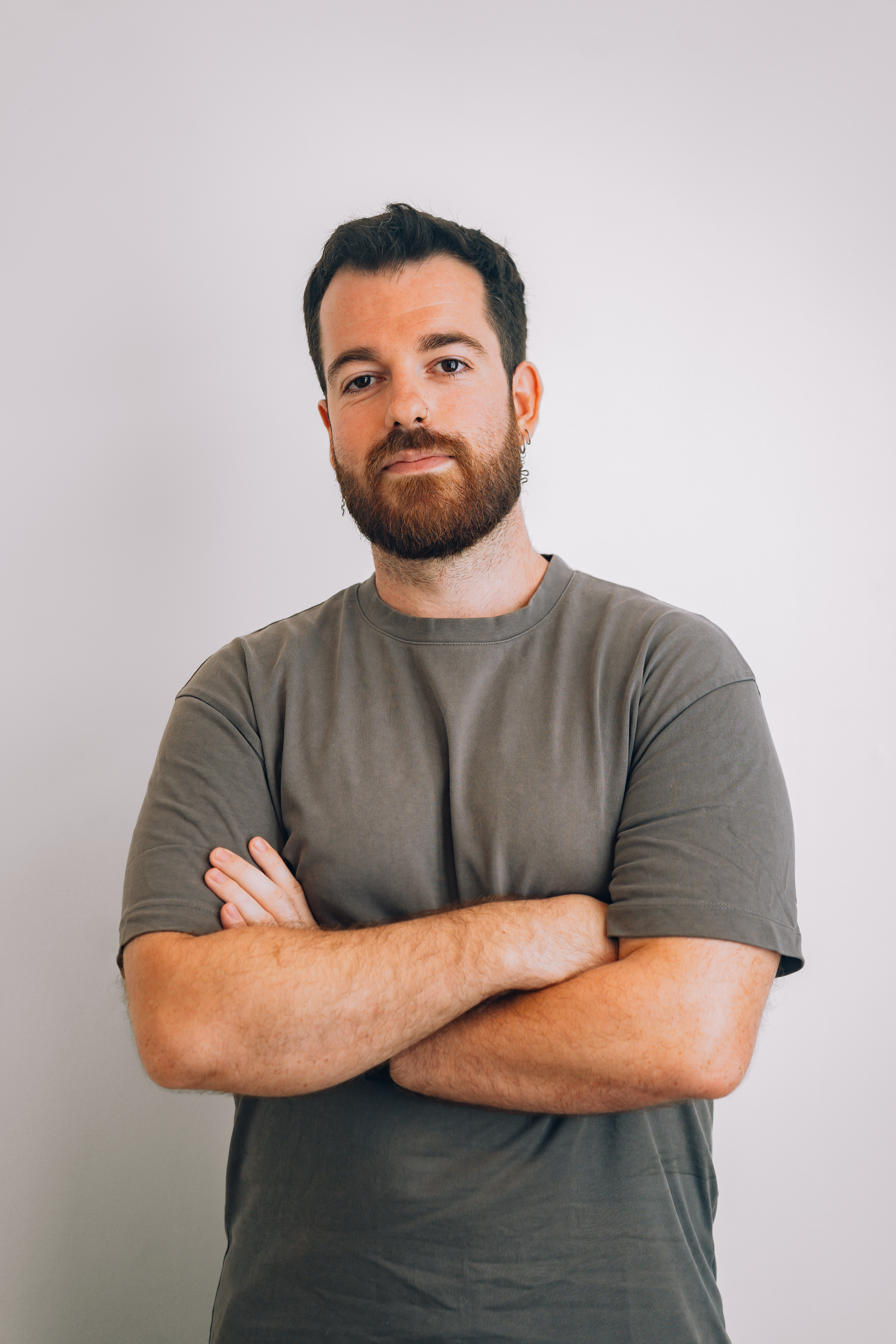
Daniel Inglada - Researcher at Albirem. Sociologist and Political scientist, MSc in International Cooperation. Experienced in multilateral project coordination and stakeholder engagement. Role: Impact assessment, stakeholder and community engagement coordination.
With a cross-cutting vision and commitment to sustainability and human rights, he has experience in managing public and international projects, complemented by a track record in social and development cooperation organisations.
He has been involved in economic and local development projects, as cooperation initiatives in Sierra Leone and Angola, contributing to the formulation of proposals tailored to local contexts, particularly in the field of maternal and child health. Previously, he worked as a project coordinator for an international NGO, where he co-designed and implemented national and regional initiatives aligned with the Sustainable Development Goals.
He holds a degree in Political Science and Sociology, MSc in International Cooperation for Development at the International University of La Rioja (UNIR).
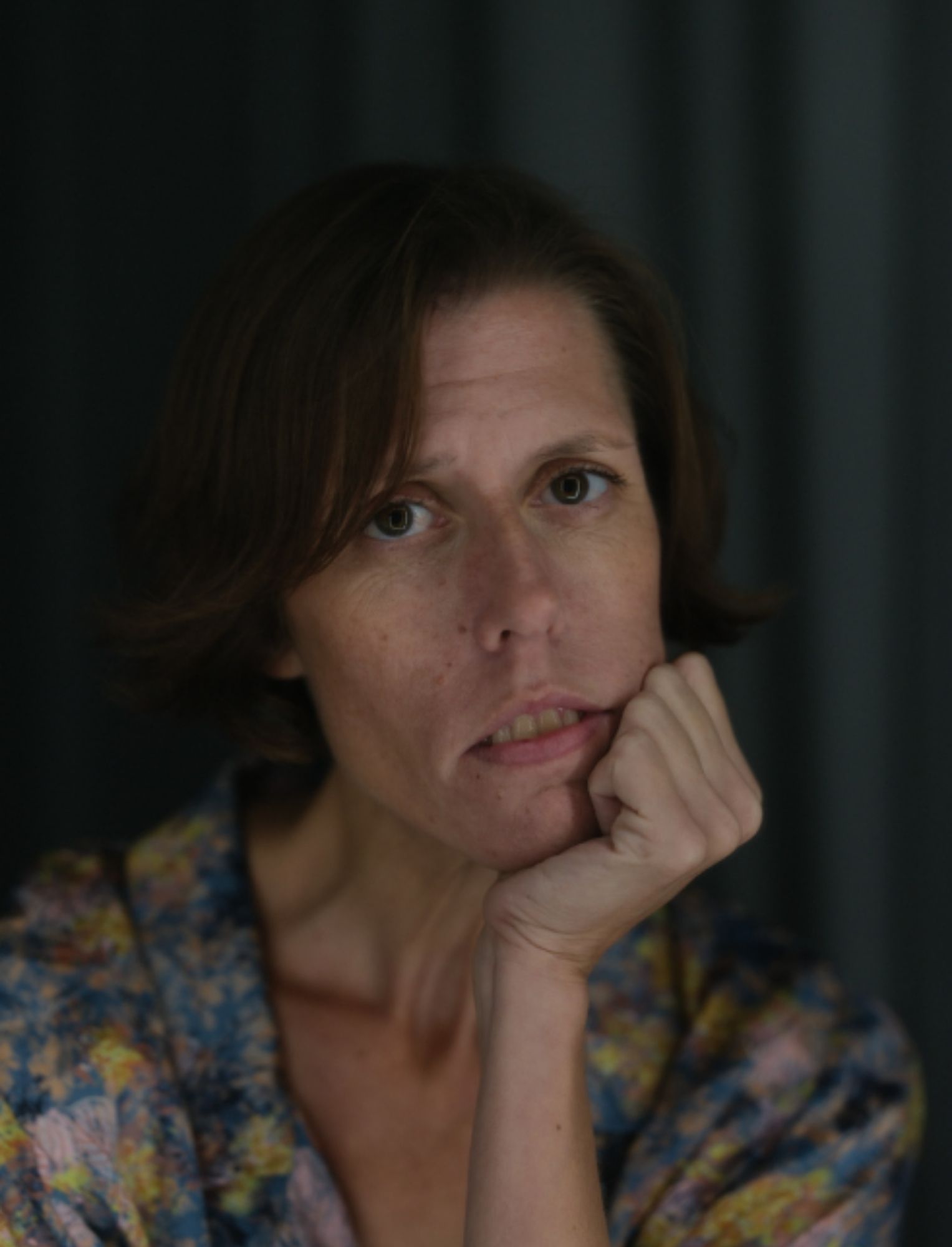
Laia Vicens Cabrera – Actress and film director, Higher studies in Dramatic Art, and PhD in Biomedicine. Main actress and co-director of short films. Role: Artistic advisory, documentary co-direction and scriptwriting. She has a solid artistic career complemented with an interdisciplinary vision that integrates scientific and research activities.
Actress and film director with Higher studies in Dramatic Art and PhD in Biomedicine. She has been taking part as a main actress in several awarded films, shorts and documentaries, as Nobody Barks, Ejercicios para ver a Dios, etc. She also has directed and participated in some theatre shows as Barbecho, and also leads participatory artistic projects to empower communities and vulnerable groups.
She also has extensive experience in research in applied ecology and environmental epidemiology, developed in leading institutions such as the Centre for Ecological Research and Forestry Applications (CREAF), the Centre for Research in Environmental Epidemiology (IMIM-CREAL), the Catalan Institute of Oncology (ICO) and ISGlobal.
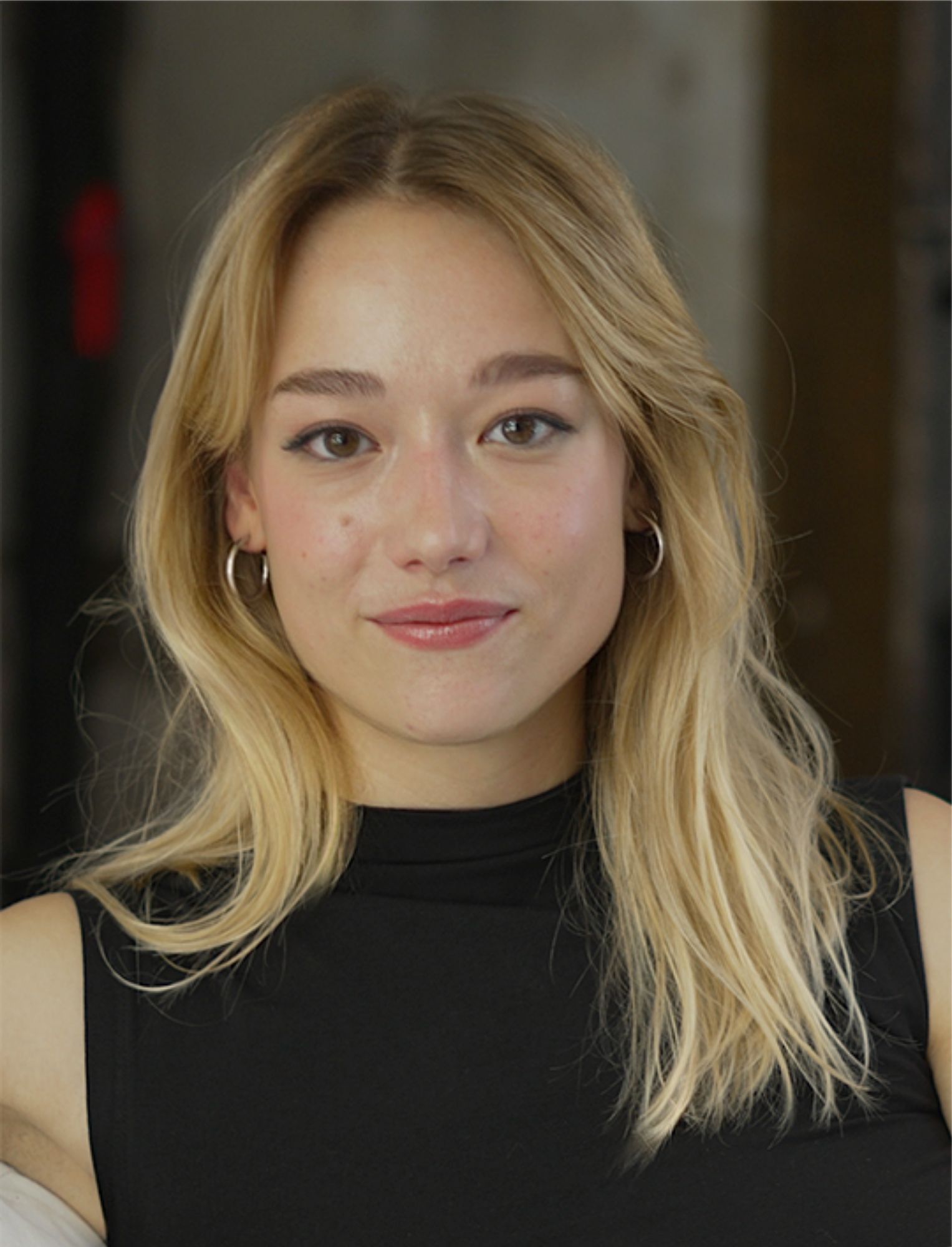
Marta Durán Lozano - Film director and scriptwriter. Higher studies in Audiovisual Communication and MA in Creative Documentary at Pompeu Fabra University. Director of Les Culpables, produced by Boogaloo and Guspira Films, her debut feature. The film is a production of Boogaloo Films and Guspira Films and has been part of the Acció Viver de Dones Visuals, the DOK Co-Pro Market and the D'A Film Lab, among others. Les Culpables has also received the Best Development Project award at the Atlàntida Mallorca Talents Lab and the 2025 Laya Awards for its reflection on and defence of human rights.. Role: Documentary co-direction and scriptwriting.
Before directing her first feature film, she co-directed the documentary short films 224 and Rym, and worked in television, both fiction and documentary, as a writer on the programme Curiosidades de la Tierra (Minoria Absoluta, DMAX, 2024) and as assistant director on the series Autodefensa (Filmin, 2022). She also collaborated on the audiovisual creation of La Malaltia (Teatre Lliure, 2021) and La història potencial de Francesc Tosquelles (CCCB, 2022).
Consortium Partners & Community Channels:
- El Moll, Port of Arenys de Mar - Primary stakeholder and base of the Odina fishing vessel, symbol of the Fading Blue Project and responsible for the artisanal restoration activities.
- The Fishermen's Guild of Arenys de Mar – Stakeholder representing artisanal fishers and providing essential data, community access, and coordination for participatory activities.
- Escola Sinera – Educational institution hosting student participants and collaborative workshops, and serving as a channel for long-term educational outreach.
- Nautical Club of Arenys de Mar - Stakeholder participating in community plastics removal.
- Artistic swimming team of the Club Esportiu Mediterrani - Swimming team designing and performing a gender inclusive artistic routine.
- Boogaloo - Audiovisual producer company responsible for the short documentary production.
- Associació Cosim - Sewing association participating in the swimsuit preparation.
- Local maritime heritage organizations (Museu de l’Escala and Museu d’Arenys de Mar) – Provide archival resources, historical context, and community engagement channels for documenting maritime cultural knowledge.
Sustainability & Continuation
Project activities are designed with full environmental responsibility. Recycled, biodegradable, and environmentally responsible materials are used for the collaborative mural and all physical activities. The Odina restoration strictly prioritizes local resources and material reuse. Environmentally responsible practices are modeled and encouraged among all participants to demonstrate and foster a sustainable relationship with the sea.
The project's outcomes are designed for long-term impact and continuation beyond the six-month accelerator. The documentary reaches broad audiences through festival circulation, school screenings, and online platforms. Educational partnerships with Escola Sinera and other coastal schools ensure workshops and screenings continue. The project proactively seeks further environmental and cultural funding and forms long-term partnerships with local administrations, maritime museums, and educational organizations. Continuing educational screenings and workshops in community spaces leverage these events to attract ongoing institutional support or private sponsorship.
Inclusivity & Diversity
The core team is women-led and proudly includes LGBTQ+ representation, fostering an open, respectful, and highly inclusive environment. The project engages a wide diversity of ages (from youth to the elderly) and social backgrounds to ensure a representative approach that positively and equitably impacts the wider community. The inclusive swimming team of men and women alongside prominent LGBTQ+ representation embodies this commitment to diversity in both process and artistic output.
Relevant links
- Albirem (Lead organisation – marine ecology, sustainability and community engagement): https://albirem.org/
- El Moll, Port of Arenys de Mar (Traditional boat restoration, maritime heritage and home of the Odina vessel): https://elmoll.arenys.cat/
- Confraria de Pescadors d'Arenys de Mar (Fishermen's Guild of Arenys de Mar – artisanal fisheries partner): https://confrariaarenys.com/
- Escola Sinera (Educational partner for student participation and workshops): https://agora.xtec.cat/iesels3turons/ (Escola Sinera activities are coordinated within the Arenys educational network.)
- Club Nàutic Arenys de Mar (CNAM) (Community and nautical partner): https://www.cnarenys.com/
- Club Esportiu Mediterrani (Artistic swimming team collaborating in the performance): https://www.cemediterrani.com/
- Boogaloo Films (Audiovisual production partner): https://boogaloofilms.com/
- Associació Cosim (Community sewing association): https://www.cosim.cat/
- Museu d'Arenys de Mar (Maritime heritage and archival resources): https://museu.arenysdemar.cat/
- Museu de l'Escala (Maritime history and heritage partner): https://www.museudelapesca.org/museu-de-lescala
- Cap de Creus Natural Park (Key ecological area featured in the project): https://parcsnaturals.gencat.cat/en/cap-creus/
- Ebro Delta Natural Park (Key coastal ecosystem): https://parcsnaturals.gencat.cat/en/delta-ebre/